Achilles tendon pain is more common than many realise, especially among those who are active, frequently on their feet or suddenly increase their physical activity. But it’s not just athletes who should pay attention. As driving enthusiasts, car renters and owners often spend long hours sitting or standing, which can quietly contribute to lower limb discomfort. The prevalence of this condition has led to the emergence of specialized treatment centers focused specifically on Achilles tendon pain and related lower limb issues. Understanding why the Achilles tendon hurts, how it presents, and what you can do about it matters whether you’re prepping for a road trip in a classic car or simply aiming to move pain-free each day.
Key Takeaways
- Achilles tendon pain often affects both athletes and car enthusiasts due to prolonged sitting, standing, or sudden increases in activity.
- Typical symptoms include heel or tendon pain, stiffness, swelling, and difficulty moving the foot, making daily tasks and driving challenging.
- Gradually increasing physical activity, regular calf stretches, and supportive footwear help prevent Achilles tendon pain, especially for drivers.
- Early treatment with rest, tailored exercises, and professional advice can effectively manage Achilles tendon pain and speed recovery.
- People with flat feet, tight calves, or who alternate between long periods of inactivity and sudden exertion are at greater risk for Achilles problems.
What Is the Achilles Tendon?
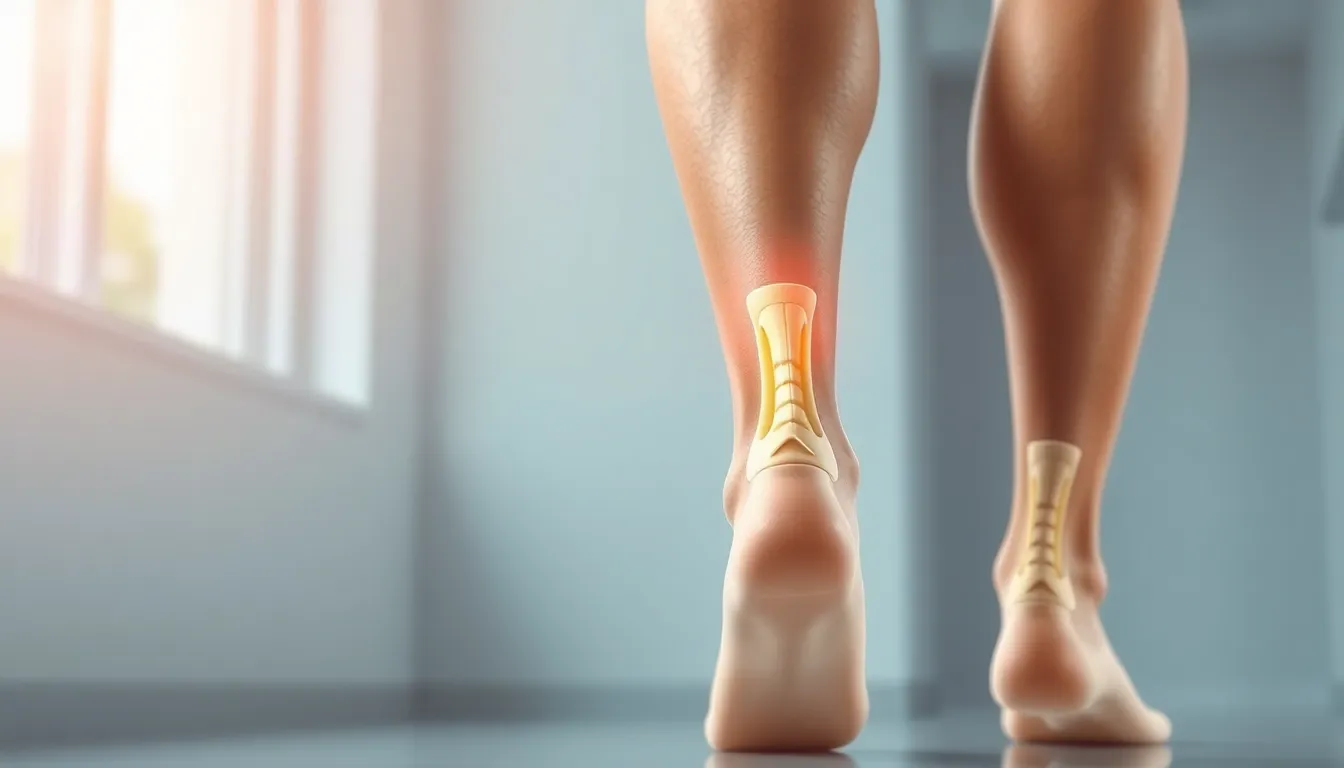
The Achilles tendon, running down the back of your lower leg, is the body’s largest and toughest tendon. It attaches the calf muscles to the heel bone, acting like a resilient cord that lets you walk, run, jump, and push up onto your toes. Every time you accelerate in a premium sports car from Roadstr, or even just cross a busy street, your Achilles is hard at work. Its crucial role in lower limb movement means that when it starts to hurt, everyday tasks – also driving or enjoying leisure activities – can suddenly get tricky.
Common Causes of Achilles Tendon Pain
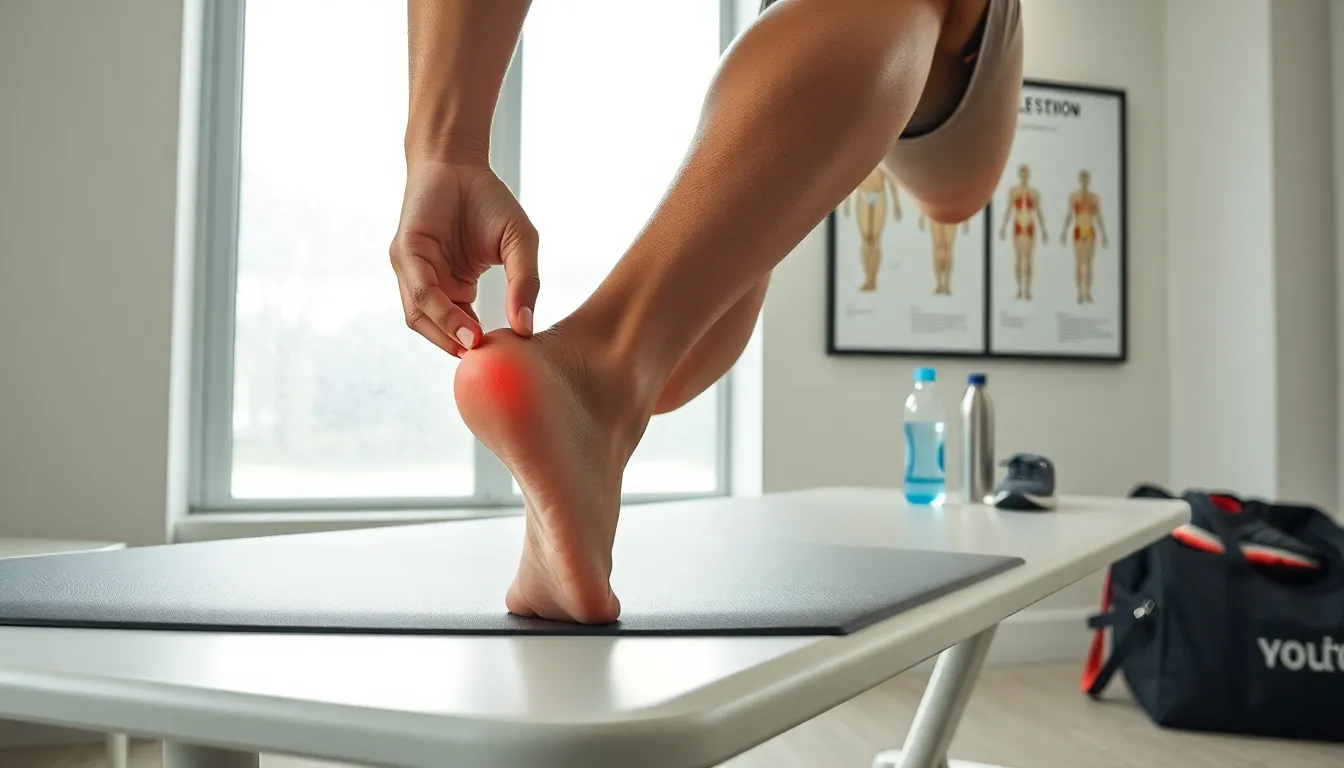
Achilles tendon pain typically stems from a condition called Achilles tendinopathy. This results from stress and repeated use, causing small injuries or degeneration instead of just inflammation. Some drivers might notice issues after jumping into long-distance trips without gradual build-up, while athletes and weekend warriors can suffer after a sudden burst of training.
Main causes include:
- Sudden increases in walking or running activity (like prepping for travel or an event)
- Tight calf muscles (which are common after long drives)
- Foot posture problems, such as very high or flat arches
- Prolonged standing (think car enthusiasts at shows or events)
- Side effects from certain medications like some antibiotics or steroids
- Age-related tendon wear and tear
Even the most comfortable drivers’ seat doesn’t completely protect you. Small lifestyle factors can add up, making prevention and early action especially important.
Key Symptoms to Recognise
Achilles tendon pain usually makes itself known with discomfort at the back of the ankle or just above the heel. Here’s what to look for:
- Morning pain and stiffness near the heel or tendon
- Swelling, thickening, and warmth around the tendon
- Tenderness, especially when pressing the area or after activity
- A grating or clicking feeling when moving the ankle
- Increasing pain during extended walking, standing, or driving
- Difficulty pointing your toes or moving your foot fully
Pain can concentrate right at the heel (insertional tendinopathy) or a few centimeters above (non-insertional), making daily activities like getting in and out of cars – or even walking to pick up your rental vehicle – more challenging.
Who Is at Risk?
Although anyone can develop Achilles issues, some people face a higher risk:
- Runners and jumpers
- Those who suddenly ramp up activity in preparation for a big trip or adventure
- People with tight calves or stiff ankles (often from extended driving or standing)
- Individuals with flat feet or very high arches
- Those who are overweight or have high blood pressure
- People with arthritis (including psoriatic arthritis)
- Office workers and weekend athletes – anyone whose activity fluctuates dramatically week-to-week
Even car enthusiasts or collectors (like many Roadstr users) who alternate between periods of inactivity and bursts of event-related exertion should stay alert for symptoms.
Prevention Tips for Drivers and Car Enthusiasts
Let’s face it – driving isn’t always kind on the lower limbs. Here are some prevention strategies tailored for those who love time behind the wheel or on the event floor:
- Ease into activity: Don’t go from sitting all week to full-day driving, sightseeing, or walking without building up gradually.
- Stretch calf muscles regularly: Even a few simple stretches before and after a journey can keep tendons supple. Try standing calf stretches against the car before or after a trip.
- Supportive footwear: Opt for shoes with proper arch and heel support when driving or walking at car events.
- Ankle movements during breaks: On long journeys, stop to flex and extend your ankle or do heel raises – small movements fend off stiffness.
- Limit long standing/walking periods: If attending car shows, alternate sitting and walking, and look for opportunities to rest your feet.
Prevention is often about small, regular habits – not obligatory gym routines. For those regularly on the Roadstr platform, these steps can mean fewer aches and a better driving experience.
Effective Treatments and Recovery Strategies
For those already experiencing Achilles pain, addressing it early is crucial. Most cases respond well to straightforward, evidence-based interventions:
- Rest and ice: Cut back on aggravating activities. Applying ice packs can help reduce pain and swelling.
- Calf stretching and eccentric exercises: Daily calf stretches and slow, controlled lowering exercises (“eccentric heel drops“) can speed up recovery and strengthen the tendon.
- Heel lifts or supportive orthotics: Custom or prefabricated orthotics, especially for those with flat or high arches, help take pressure off.
- Professional physiotherapy: A physiotherapist or sports podiatrist can prescribe specific rehab plans and ensure safe progression.
- Activity modification: Avoid activities that worsen pain (like sprinting or tough hill walks). Gentle walking or cycling usually remains possible.
- Medical advice for persistent cases: If pain continues past a few weeks, or is severe, seeing a specialist (like the Sydney Heel Pain team) can rule out other causes and offer options like shockwave therapy or, rarely, surgery.
Most recoveries take weeks to months. Surgery is uncommon and reserved for tendons that don’t improve with conservative measures. In the meantime, smart adjustments let many people, from rental platform users to classic car owners, get back to what they enjoy without lasting discomfort.
About Sydney Heel Pain
Business: Sydney Heel Pain
Spokesperson: Karl Lockett
Position: Business Owner
Phone: 02 9388 3322
Email: help@sydneyheelpain.com.au
Location: Suite 1002 (Level 10), 109 Pitt Street, Sydney 2000, Australia
Website: https://sydneyheelpain.com.au/
Google Maps Link: https://maps.app.goo.gl/tq8HhGSwby5TQbBq7
Frequently Asked Questions About Achilles Tendon Pain
What is Achilles tendon pain and where is it felt?
Achilles tendon pain refers to discomfort located at the back of the ankle or just above the heel, where the Achilles tendon connects the calf muscles to the heel bone. Symptoms often include pain, swelling, stiffness and difficulty with foot movement, especially after physical activity or prolonged sitting or standing.
What are the most common causes of Achilles tendon pain?
Common causes of Achilles tendon pain include sudden increases in physical activity, tight calf muscles, foot posture issues like high or flat arches, standing for long periods, age-related wear and tear, and certain medications such as some antibiotics or steroids.
How can car drivers and enthusiasts prevent Achilles tendon pain?
Drivers and car enthusiasts can prevent Achilles tendon pain by gradually increasing activity levels, regularly stretching calf muscles, wearing supportive footwear, taking breaks to move ankles during long drives, and alternating sitting with walking during events. Small daily habits can significantly reduce the risk of discomfort.
When should I see a specialist for Achilles tendon pain?
If Achilles tendon pain persists for more than a few weeks, is severe, or interferes with daily activities, it’s important to see a specialist such as a physiotherapist or sports podiatrist. Persistent or worsening symptoms may require further assessment and specialised treatment options.
Can Achilles tendon pain heal without surgery?
Yes, most cases of Achilles tendon pain improve with conservative treatments, such as rest, ice, stretching, physiotherapy, and supportive footwear. Surgery is rarely needed and usually reserved for severe cases that do not respond to these measures.
Are there any exercises recommended for Achilles tendon pain relief?
Calf stretching and eccentric exercises, such as slow heel drops, are commonly recommended for Achilles tendon pain relief. These exercises help strengthen the tendon and promote healing. Always consult with a healthcare provider before starting a new exercise routine if you have tendon pain.